





Description
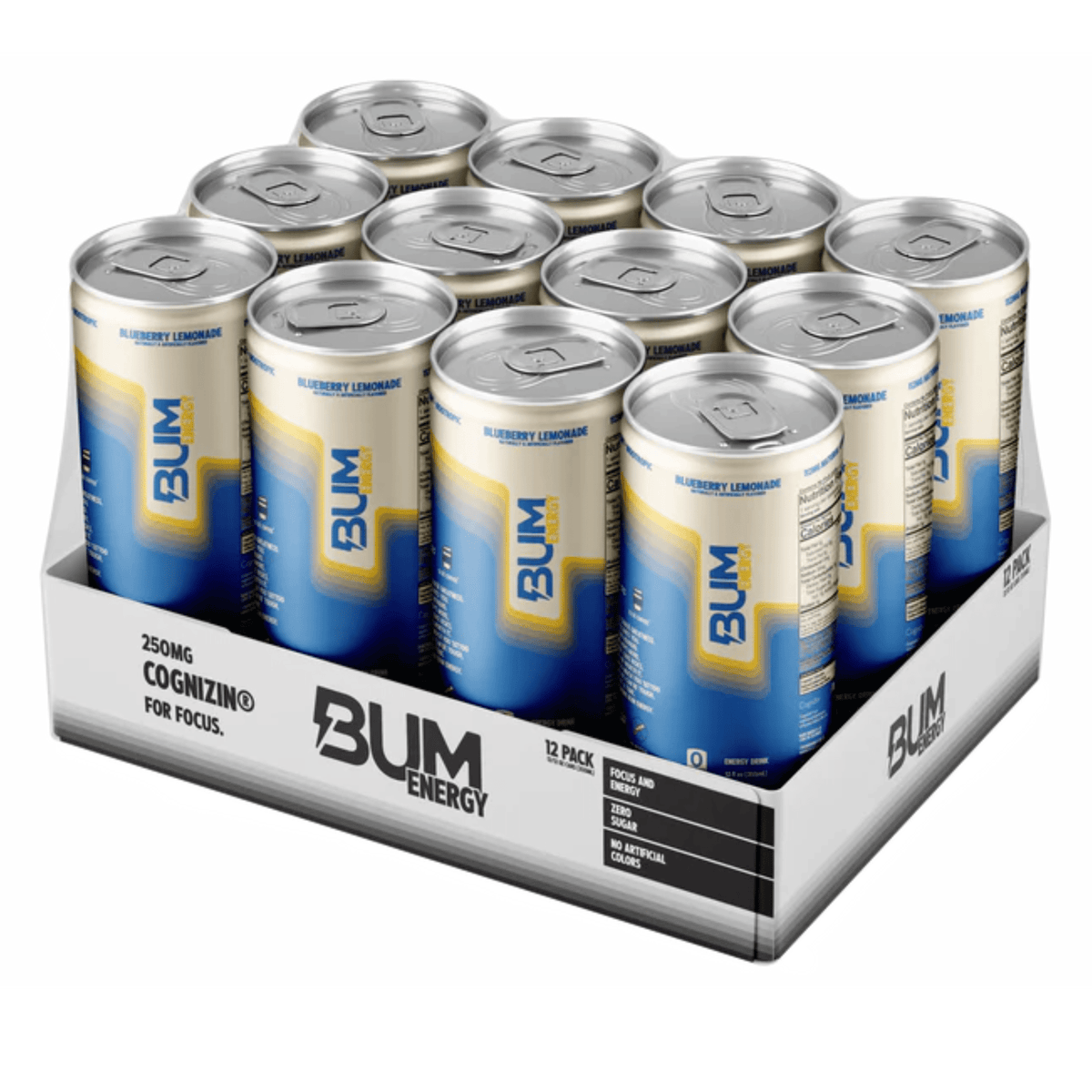
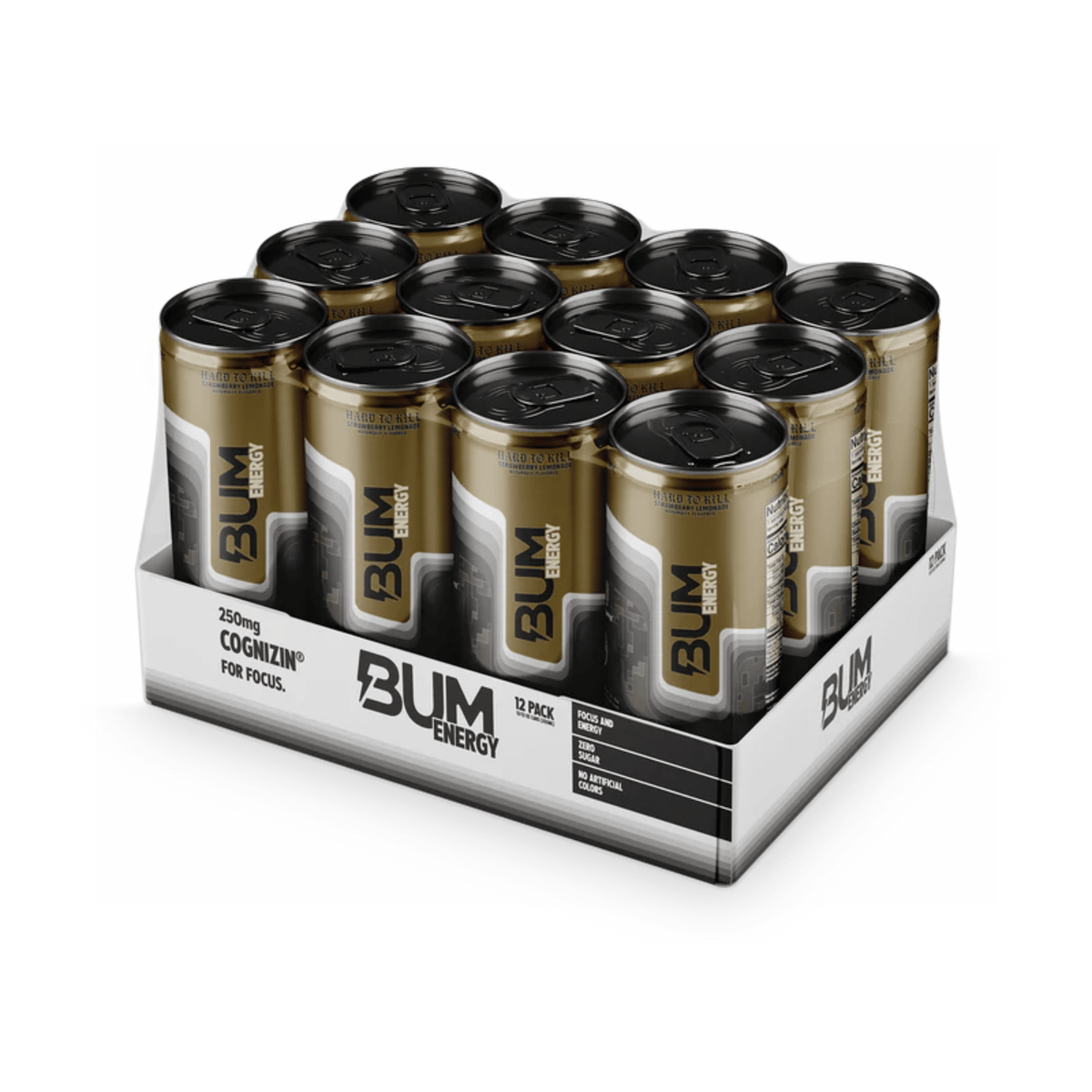
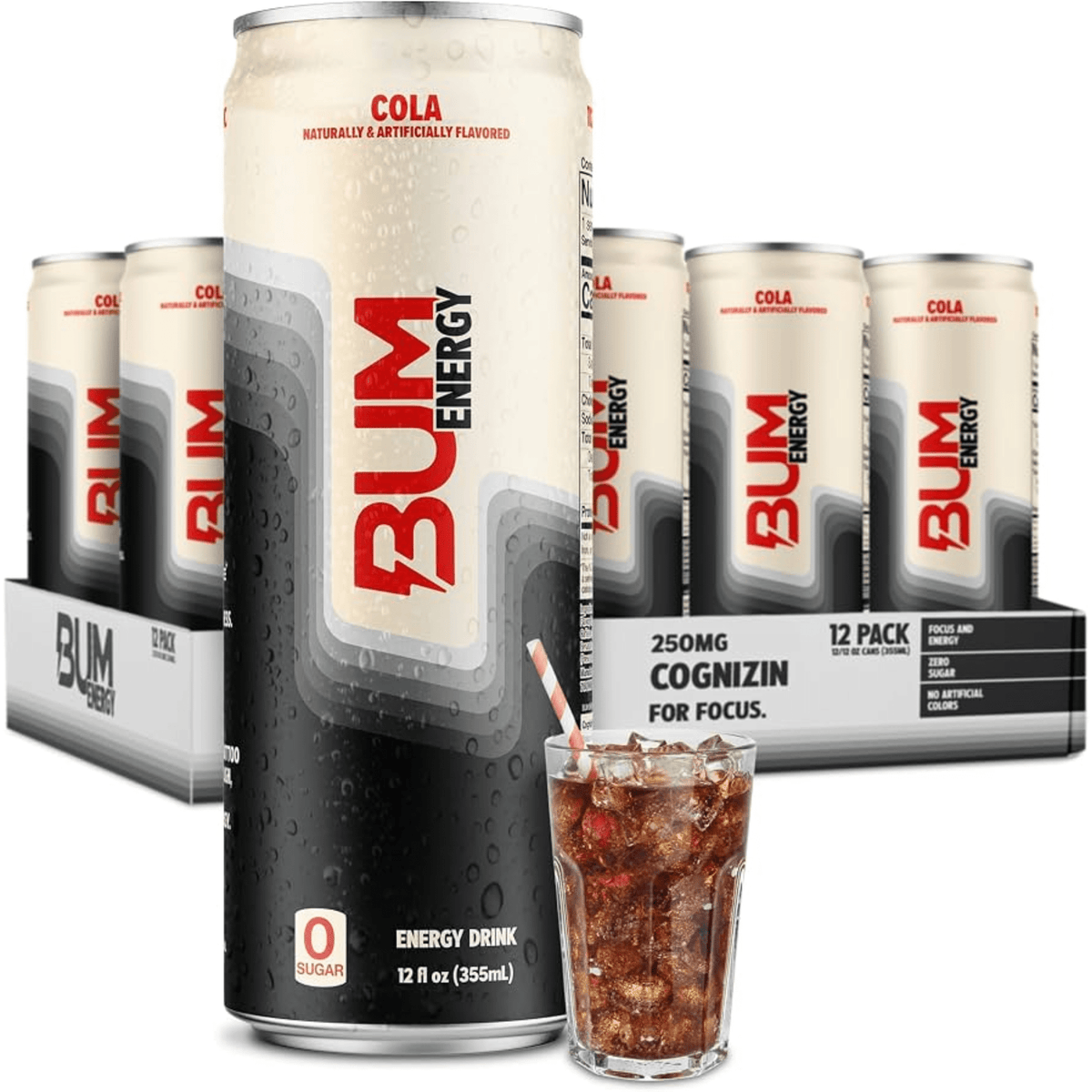
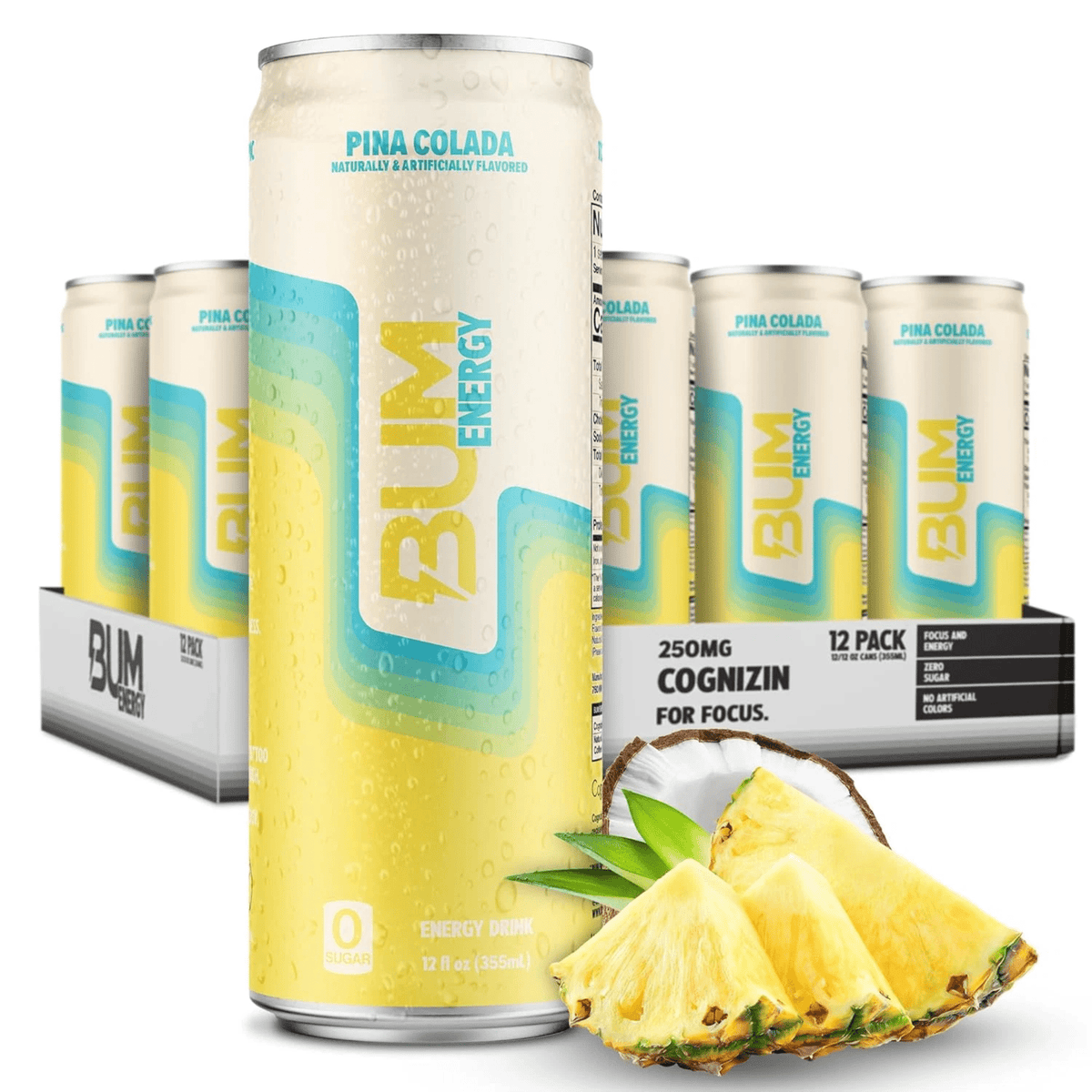
BUM Energy
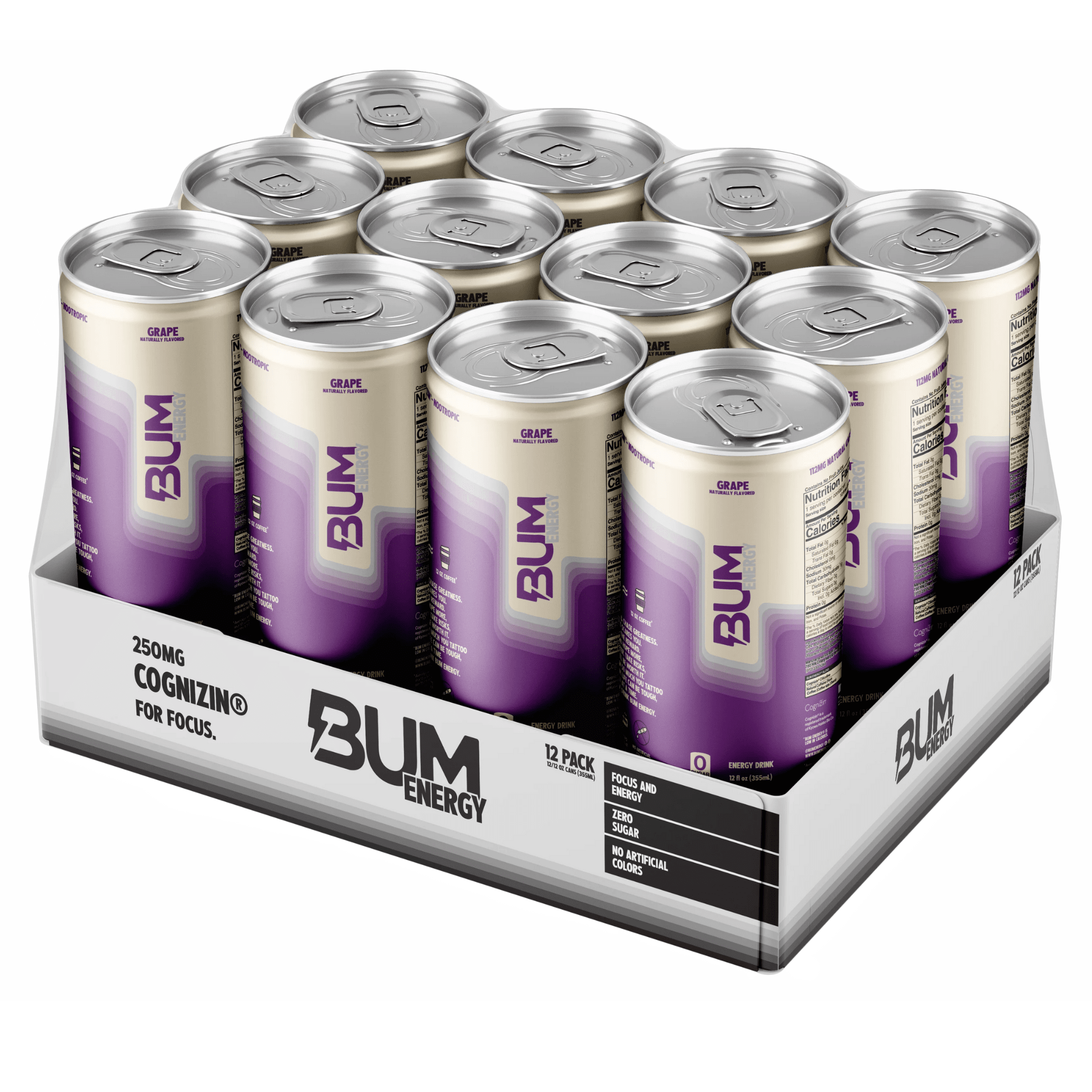
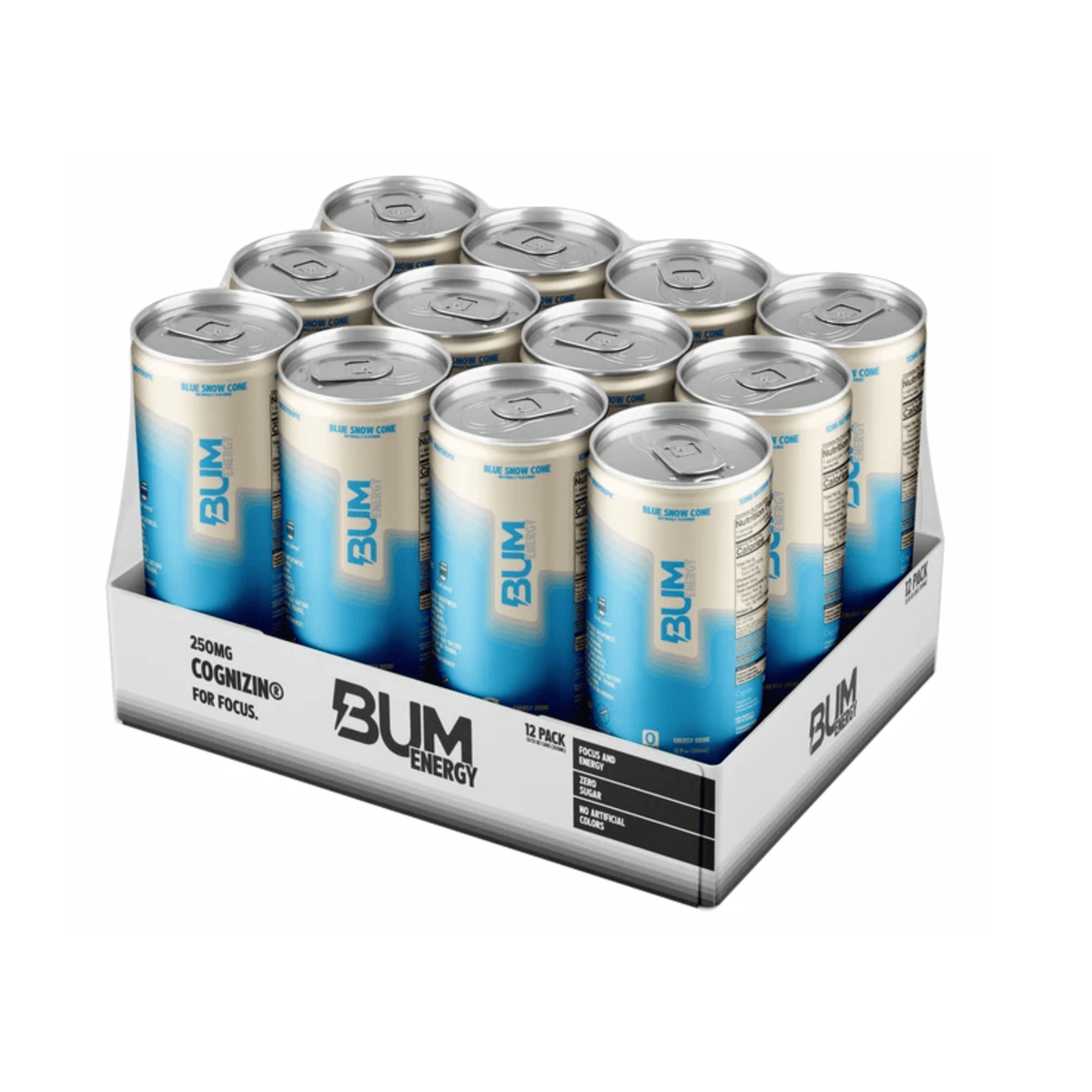
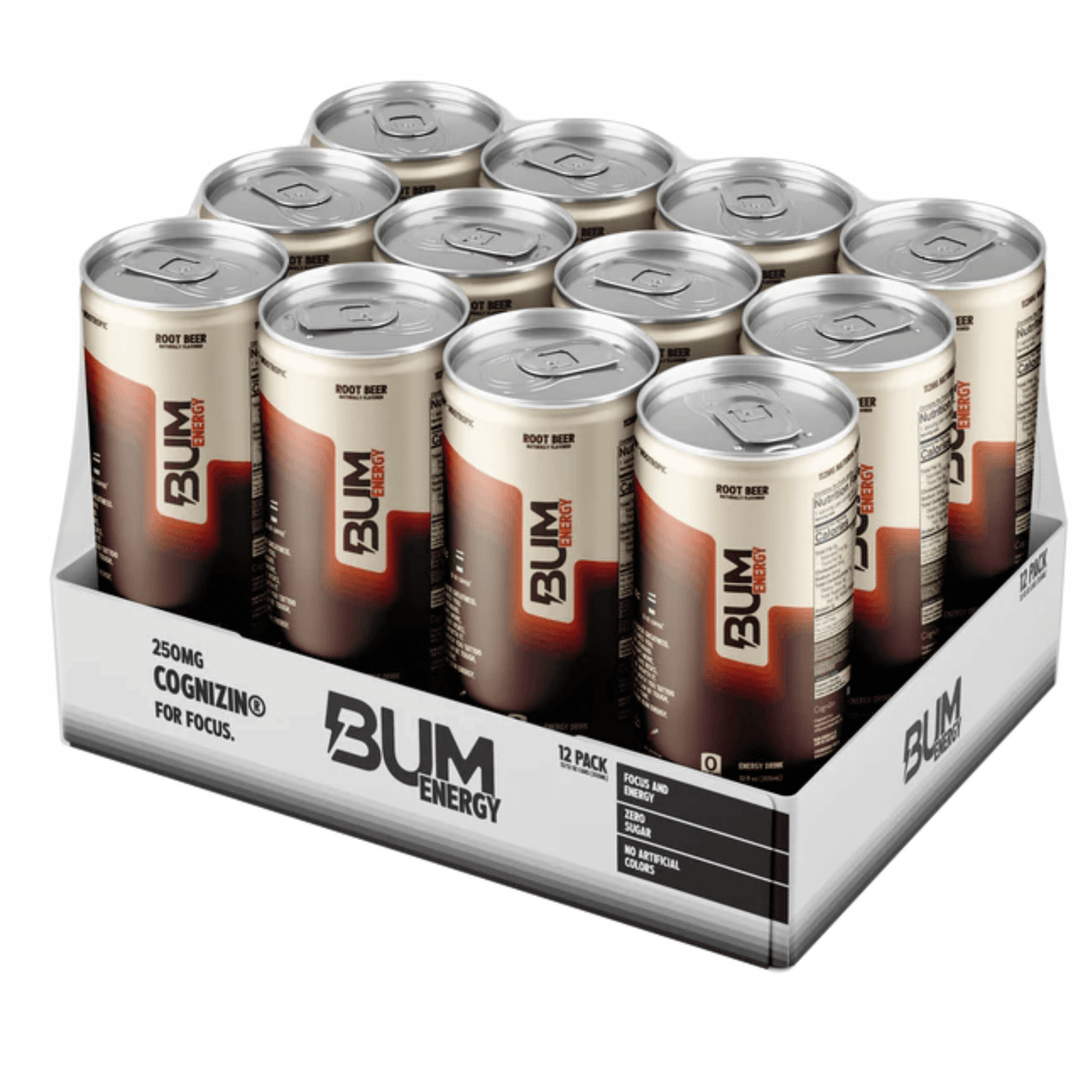
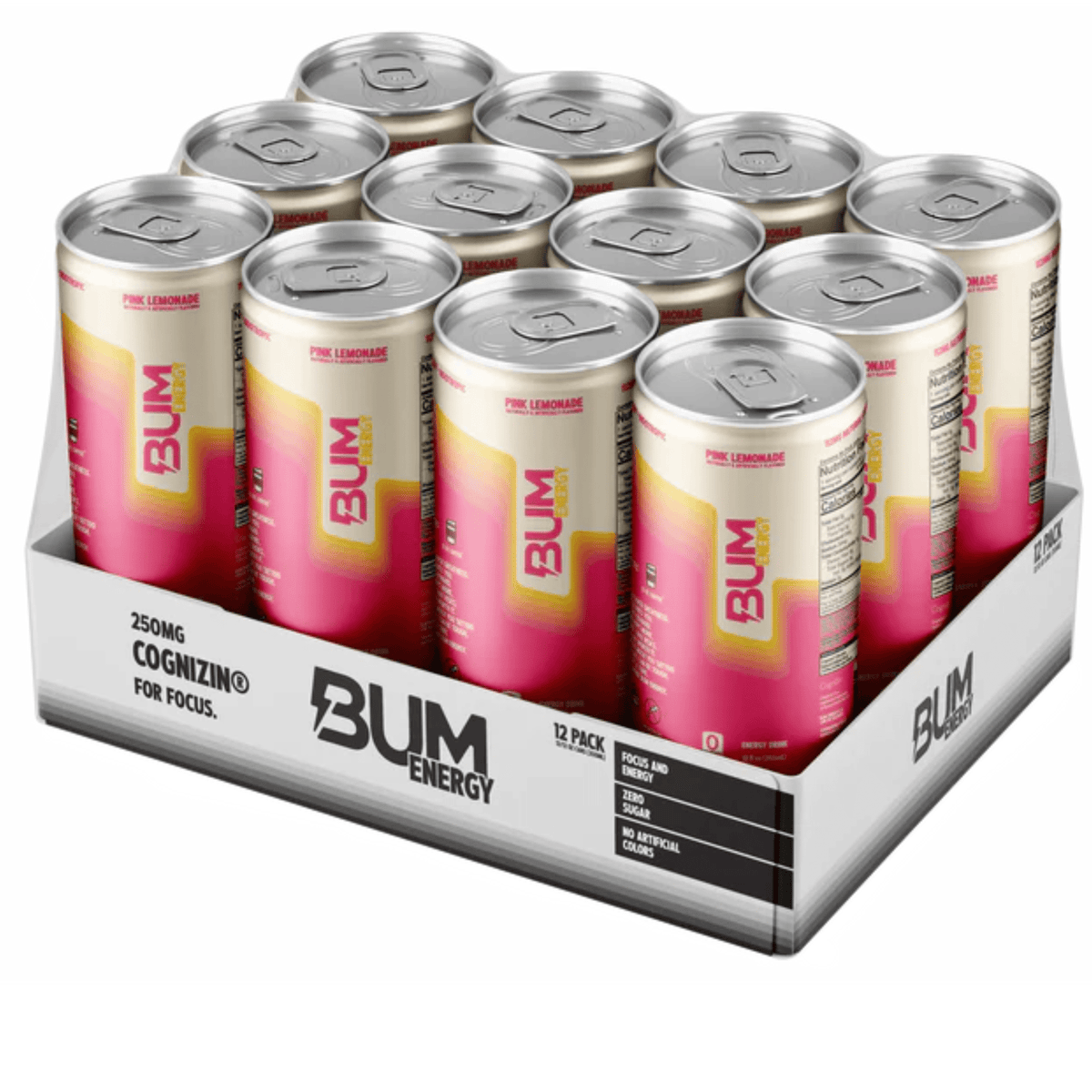
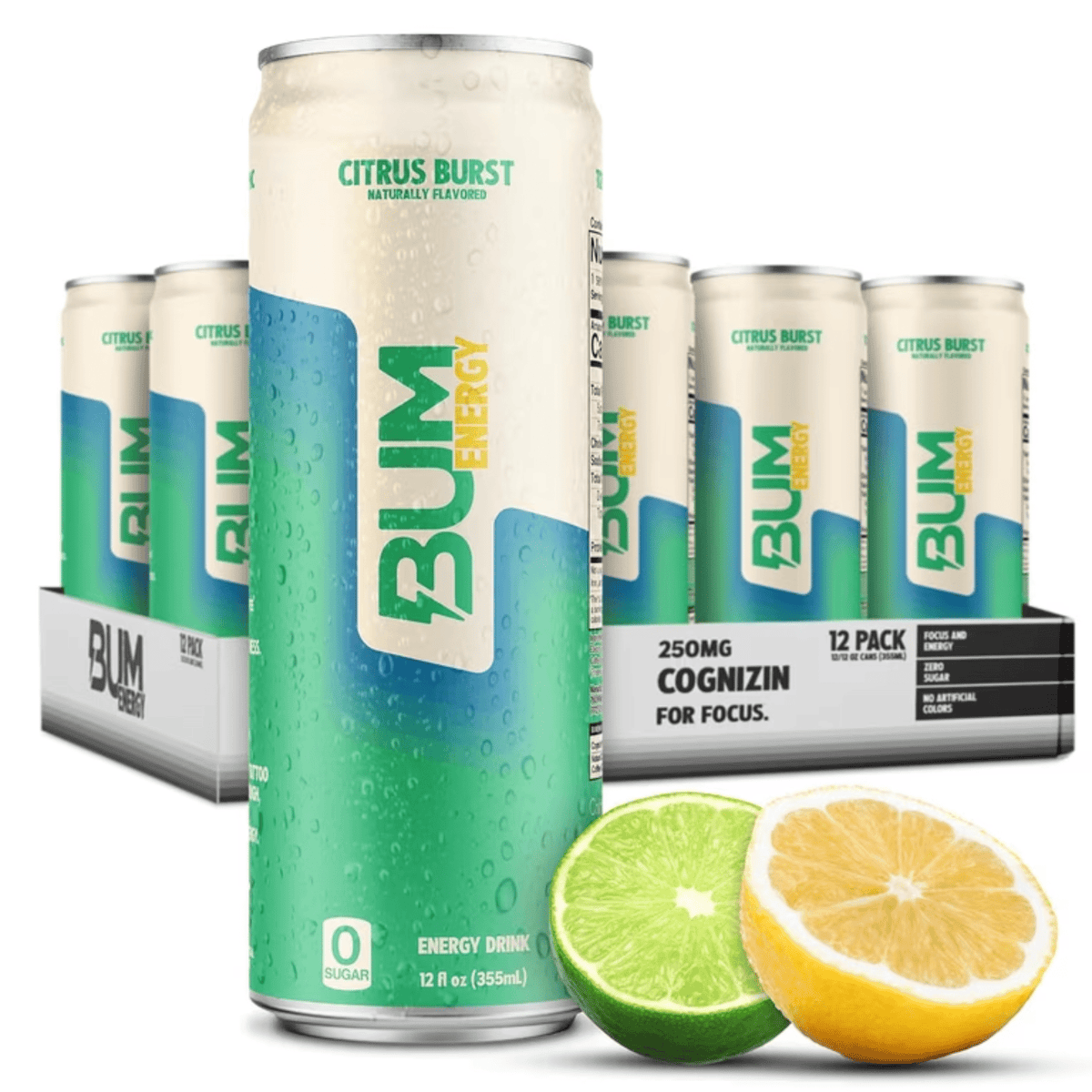
Chris Bumstead's energy drink, and the thing that actually distinguishes it is restraint. 112mg of natural caffeine in a 12oz can, which is roughly a strong cup of coffee and less than half what most of the cooler is running.
Five calories. Zero sugar. That is the whole nutritional footprint.
In a category where every brand competes to put the biggest number on the front, this one deliberately went the other way, and it is why it gets picked up by people who had given up on energy drinks entirely.
Why 112mg is the point, not a compromise
Most energy drinks sit at 200 to 300mg per can. The FDA cites 400mg a day as the ceiling most healthy adults tolerate without adverse effects. At 300mg a can, you are one drink away from your daily allowance and two drinks into territory where sleep starts suffering.
At 112mg you can have one in the morning and another in the afternoon and still be nowhere near that ceiling. You can drink one at 3pm and sleep. You can drink one because you want the flavour rather than because you need to be rescued.
That reframes what an energy drink is for. Most of the category is built around a hit. This is built around being drinkable.
The caffeine is sourced from coffee bean rather than synthetic caffeine anhydrous. Physiologically the molecule is identical, so treat that as a sourcing preference rather than a performance difference.
Cognizin, and what citicoline actually is
The second active is 250mg of Cognizin, a patented citicoline manufactured by Kyowa Hakko and used in published clinical work on attention and cognitive performance.
Citicoline is a precursor in two pathways worth knowing about. It contributes to acetylcholine production, the neurotransmitter involved in attention and in the signalling between nerve and muscle. It also feeds phosphatidylcholine synthesis, a structural component of cell membranes including neuronal ones.
In practical terms, caffeine supplies arousal and citicoline supplies focus, and those are not the same thing. Plenty of people have had the experience of being wired and useless. A moderate stimulant paired with a focus ingredient is a more sensible construction than a large stimulant alone.
Cognizin is the branded, clinically studied form rather than generic citicoline, and 250mg is a real dose rather than a label decoration.
Specs (per 12oz can)
| Caffeine | 112mg, natural, from coffee bean |
| Cognizin citicoline | 250mg |
| Calories | 5 |
| Sugar | 0g |
| Carbs | 1g |
| Sodium | 30mg |
| Protein / fat | 0g / 0g |
| Sweetener | Sucralose |
| Artificial colours | None |
Other ingredients: carbonated water, citric acid, natural flavour, Cognizin citicoline, natural caffeine from coffee bean, sucralose, sodium benzoate and potassium sorbate as preservatives.
When people drink it
- Pre-training, if you are not a heavy stim user. 112mg is enough to lift a session without the overstimulated edge that makes some people worse in the gym, not better.
- Afternoon. This is the real use case. Caffeine has a half-life of roughly five to six hours, so a 300mg can at 3pm still has meaningful caffeine in your system at bedtime. 112mg is a much smaller problem.
- Alongside a pre-workout, carefully. It stacks more sensibly than a 300mg can would, but add the numbers first.
- Instead of a soda. Five calories, no sugar, and it drinks like one. That is how a lot of our customers actually use it.
Who this is for
- Anyone caffeine sensitive who has written off energy drinks
- People who want a second can in the afternoon and still want to sleep
- Anyone who drinks these for the taste more than the stimulant
- People swapping off soda who want zero sugar without the caffeine load
- Anyone who takes a pre-workout and does not want to double up hard
Who this is not for
If you are chasing maximum stimulant, this is not it and you will be underwhelmed. Say so at the counter and we will point you at the 300mg end of the cooler. That is a real category with real customers, it is just not this product.
If you are already tolerant to 400mg a day, 112mg will read as mild. That is not a flaw in the can.
Contains caffeine. Not recommended for children, or for anyone pregnant or nursing.
Stack it with: nothing, ideally. If you want more from a session, a proper pre-workout is the tool. This is the everyday can.
Frequently asked questions
How much caffeine is in BUM Energy?
112mg per 12oz can, from natural coffee bean caffeine. Roughly a strong cup of coffee, and less than half a typical 300mg energy drink.
What is Cognizin?
A patented form of citicoline made by Kyowa Hakko, used in clinical research on attention and cognitive performance. Each can has 250mg. It supports acetylcholine production and cell membrane synthesis, which is the focus half of the formula.
Is BUM Energy sugar free?
Yes. Zero sugar, five calories, sweetened with sucralose. No artificial colours.
Can I drink it in the afternoon and still sleep?
Far more comfortably than with a 300mg can. Caffeine's half-life is around five to six hours, so 112mg at 3pm leaves very little by bedtime. Individual sensitivity still varies.
Can I drink two in a day?
224mg total puts you well inside the 400mg daily figure the FDA cites for healthy adults, before counting coffee. Many people do exactly that, which is part of the design.
Is it a pre-workout?
No. It is an energy drink with a focus ingredient. There is no citrulline, beta-alanine or creatine in it. If you want pumps and performance, you want an actual pre-workout.
Who makes BUM Energy?
Raw Nutrition, in collaboration with Chris Bumstead, Mr. Olympia Classic Physique.
Is natural caffeine better than synthetic?
The molecule is the same and your body cannot tell them apart. Sourcing from coffee bean is a preference, not a performance advantage. We would rather say that than sell you on it.
Grab one cold
Stocked in the cooler at our Langhorne PA store. Free shipping on orders over $89.
You may also like
Recently viewed
- Opens in a new window.