


Description
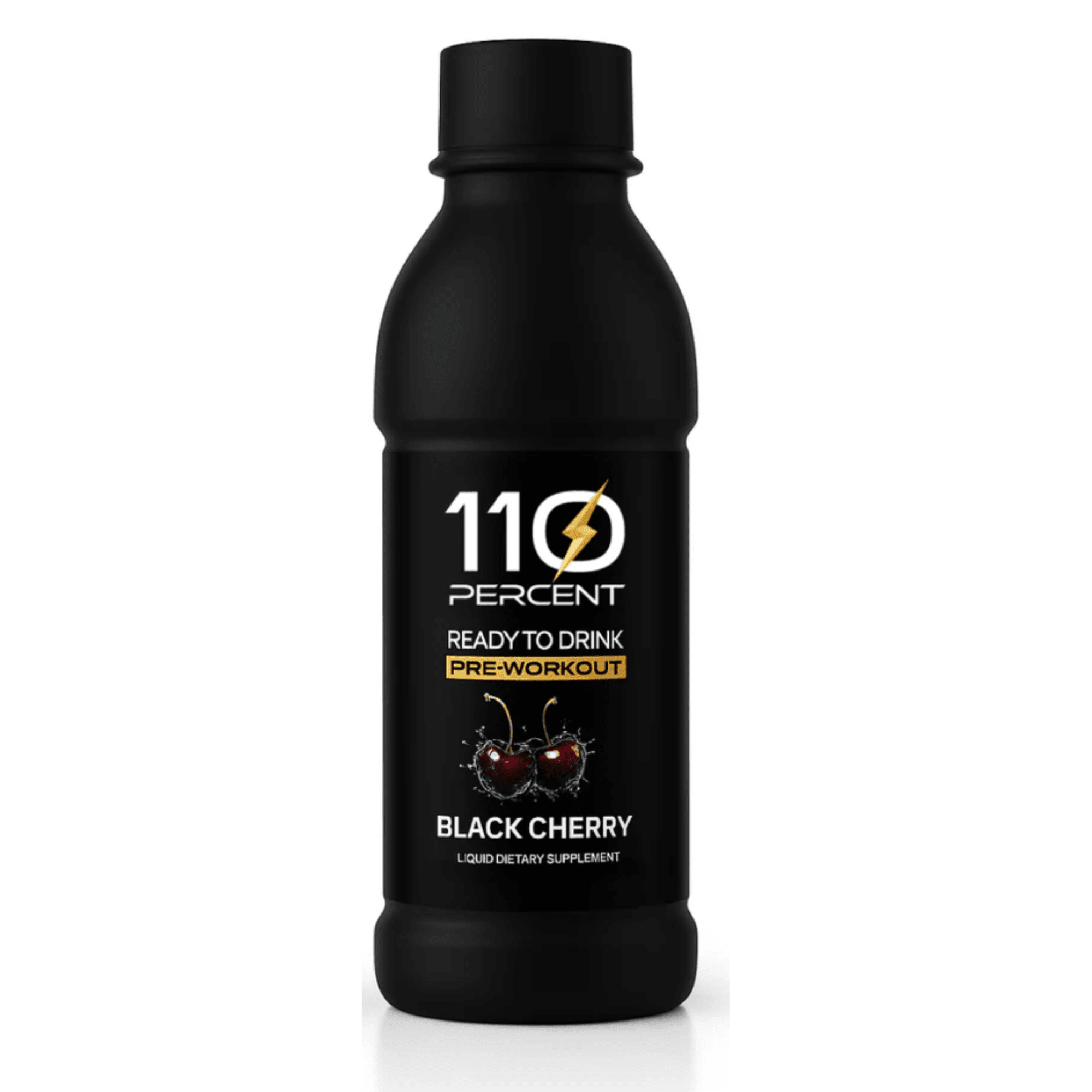
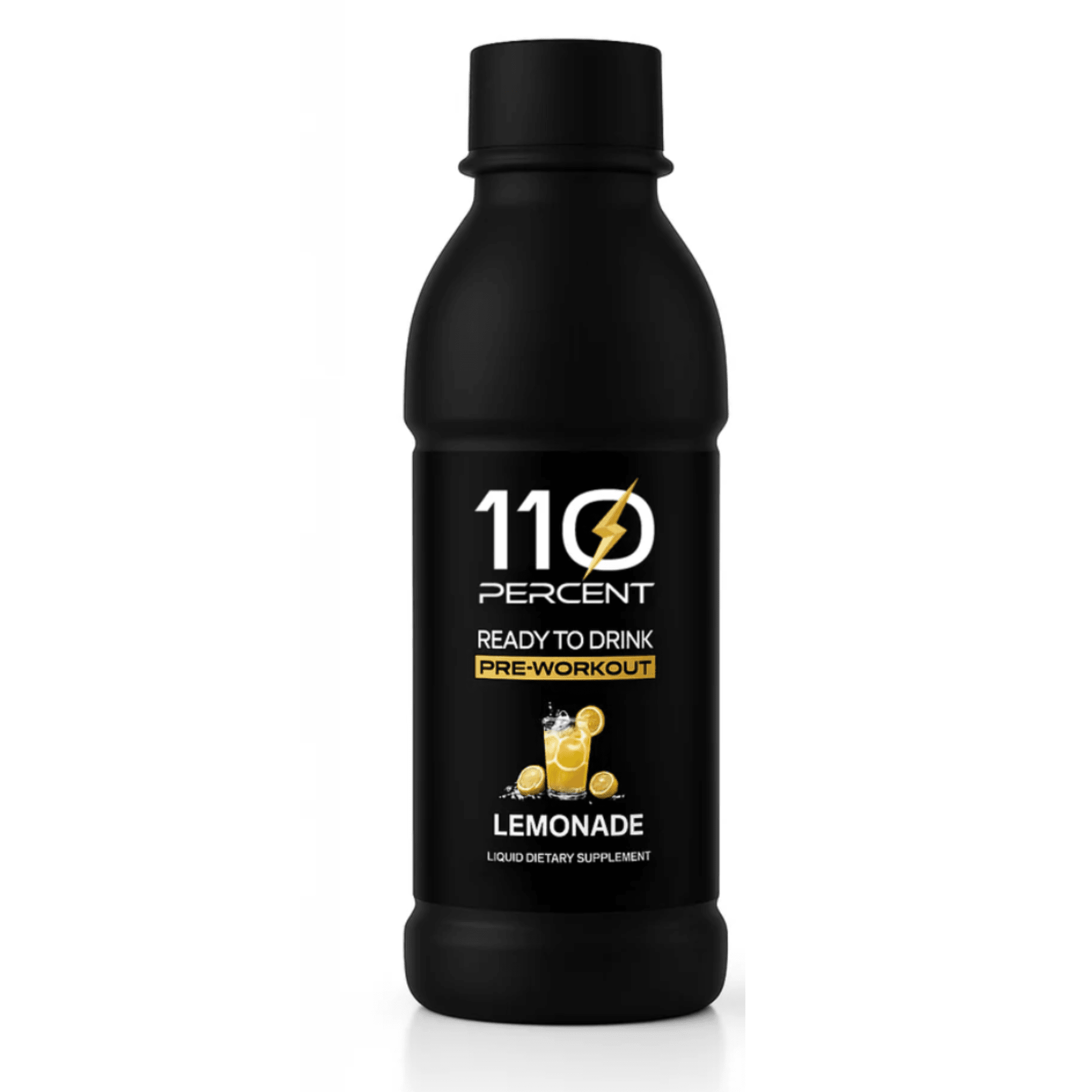
110 Percent RTD
A ready-to-drink formula — nothing to mix, nothing to measure, nothing to wash.
What you are actually paying for
We would rather be straightforward than let the format sell itself.
A ready-to-drink product costs more per serving than the equivalent powder. Always. You are paying for the bottle or can, the liquid, and the fact that you do not have to do anything.
Where that is genuinely worth it:
- In the car, at work, or travelling, where mixing is impractical
- In a gym bag, with nothing to wash afterwards
- Consistent dosing — no heaped scoops, no guessing
- When the honest alternative is having nothing at all, which is the real comparison for most people
Where it is not worth it: at home, where powder does the same job for considerably less. The sensible approach is both — powder for home, a few RTDs for the bag.
Our staff earn no commission, which is why we would rather tell you that than sell you a case.
⚠ The trade-off with any ready-to-drink format
This is a physical constraint rather than a shortcut by any brand, and it applies across the category.
A bottle holds a fixed volume of liquid, and some ingredients take up a great deal of space:
- 6 to 8g of citrulline is a substantial amount of powder
- 3.2g of beta-alanine on top of that
- 5g of creatine as well
- 25 to 30g of protein, if it is a protein product
Fitting gram-level doses into a drinkable bottle alongside flavouring is genuinely difficult. So RTDs generally do well on ingredients measured in milligrams — caffeine, vitamins, nootropics — and carry lighter amounts of anything measured in grams.
Which gives you a simple rule: buy an RTD for convenience, buy powder for full doses. Both are legitimate purchases for different situations.
What to check on the label
- Serving size versus bottle size. Some bottles are more than one serving, which changes the maths considerably
- ⚠ Total caffeine, if it contains any. Count it against 400mg daily including coffee — and note that a bottle is far easier to drink without thinking than a measured scoop
- Protein per bottle, if it is a protein product. 25 to 30g is a proper serving
- Total calories, which vary widely across RTD formats
- ⚠ Allergens, particularly milk
Specs
| Format | Ready to drink |
| Advantage | Consistent dose, nothing to mix |
| Trade-off | Higher cost per serving; lighter gram-level ingredients |
| ⚠ Check | Serving size, caffeine, calories and allergens |
How to take it
- Chilled, which improves any RTD considerably.
- Check whether the bottle is one serving or two.
- Not within six hours of bed if it contains caffeine.
- Not alongside another stimulant product, if applicable.
- Keep them in the car or gym bag rather than relying on them at home.
Who this is for
- Anyone training or working away from home
- People who travel or commute
- Anyone who dislikes mixing and washing shakers
- People who want a consistent dose without measuring
- Anyone who would otherwise go without
Who this is not for
Anyone at home with a shaker. Powder does the same job for considerably less.
Anyone optimising cost per serving. RTDs are the most expensive format in every category.
Anyone who needs fully dosed gram-level ingredients. A bottle cannot physically hold them.
Anyone with allergies, without checking the panel.
Anyone caffeine sensitive, if it contains stimulants.
Not for anyone under 18 without medical advice.
Stack it with: whatever the format cannot carry — creatine taken separately and daily, for instance.
Frequently asked questions
Why is an RTD more expensive?
You are paying for the bottle, the liquid and the convenience of not mixing anything. Worth it away from home; not worth it in your own kitchen.
Is it as good as the powder version?
On ingredients measured in milligrams, yes. On anything measured in grams — citrulline, beta-alanine, creatine, protein — a bottle cannot hold full doses and remain drinkable.
Is the bottle one serving?
Check the label. Some are two, which changes both the dose and the cost per serving.
Can I drink it like a soft drink?
If it contains caffeine, no. A bottle is far easier to drink without thinking than a measured scoop, which is exactly why it is worth counting.
Should I buy RTDs or powder?
Both. Powder for home, a few RTDs for the car or gym bag.
Does it need to be cold?
Not required, but considerably better chilled.
What should I check first?
Serving size, then caffeine if present, then calories and allergens.
What is the main advantage over powder?
Consistency and convenience — a fixed dose you will actually take, in situations where mixing is not realistic.
You may also like
Recently viewed
- Opens in a new window.